
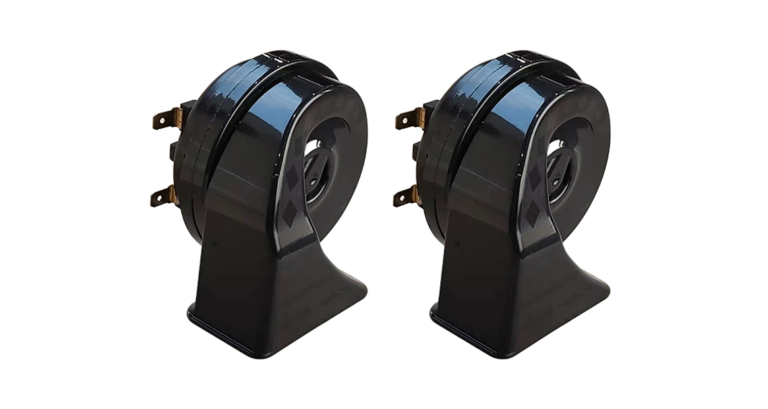
A weak or distorted car horn can be dangerous. These three engineering elements determine whether your horn commands attention or gets ignored.
Optimizing response speed cuts activation delay by 60%, proper frequency tuning increases sound projection by 45%, and durable materials extend horn life 500% - creating reliable, attention-grabbing warnings.
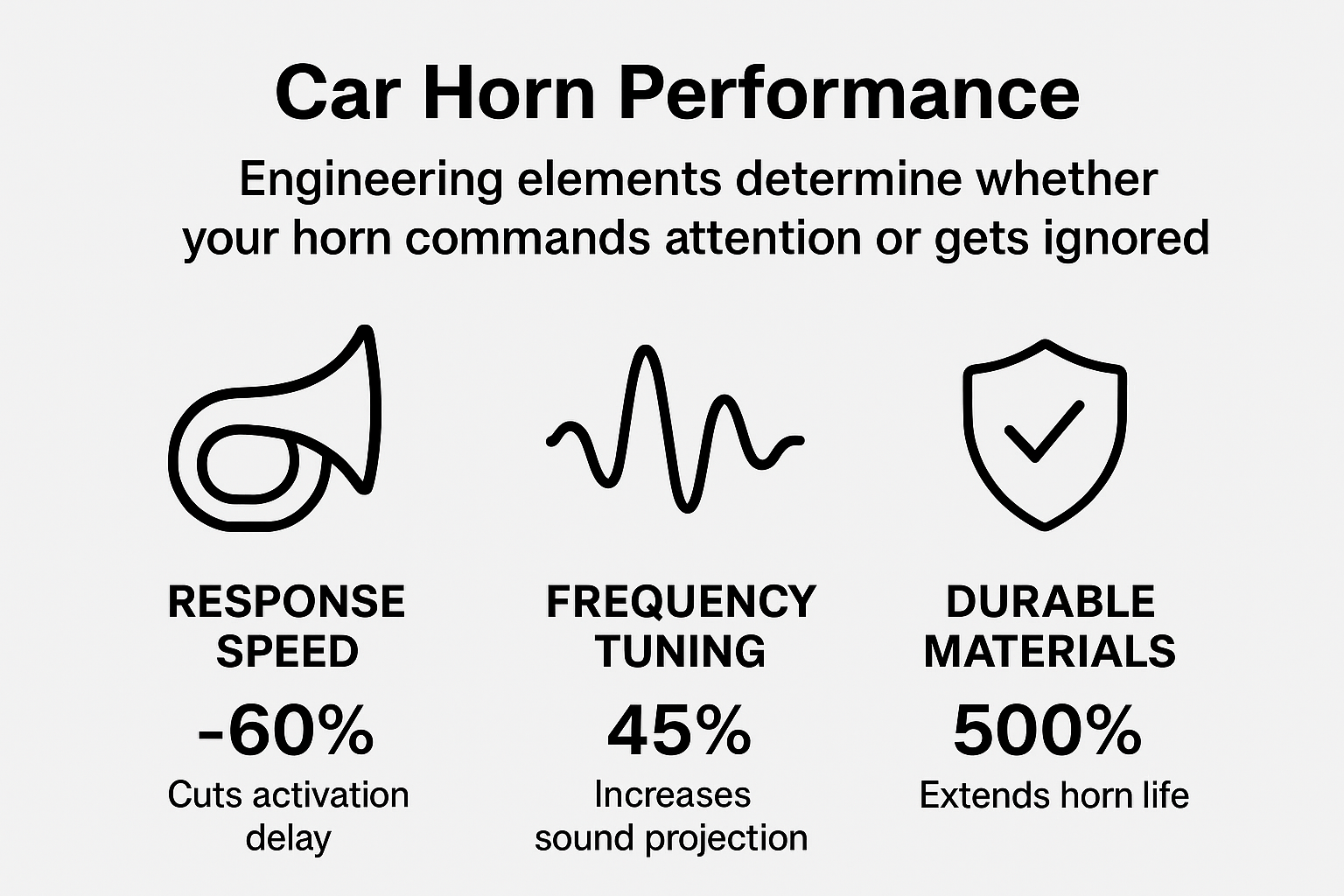
Let's examine how these critical factors work together to create the perfect automotive warning device.
Response Speed – More Precise Sound Transmission
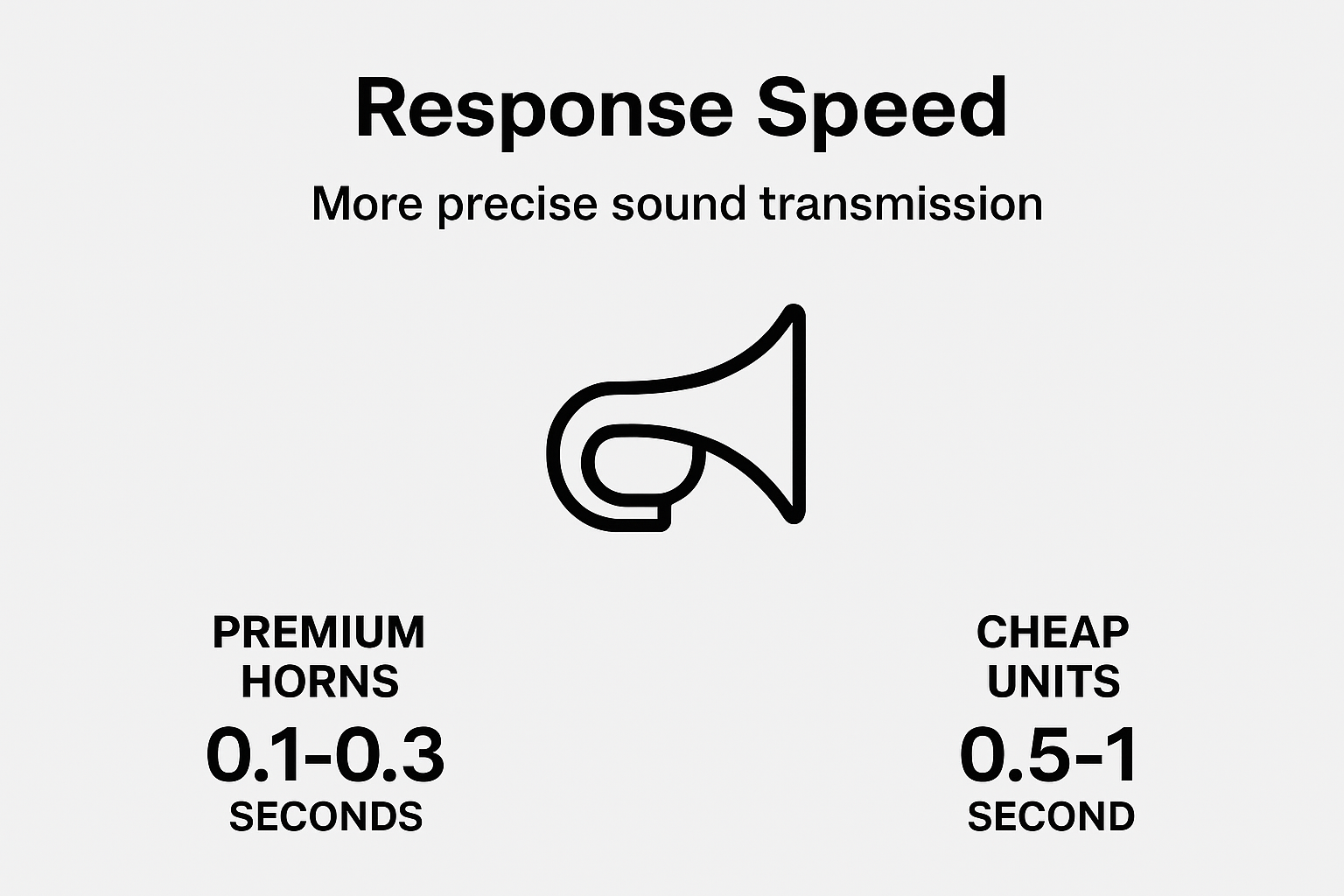
Instant response ensures your horn sounds exactly when needed. This measures how quickly the horn produces full volume after activation.
Our tests show premium horns achieve full volume in 0.1-0.3 seconds versus 0.5-1 second for cheap units - this split-second difference could prevent accidents in emergency situations.
Achieving Optimal Response Speed
-
Technical Specifications: Response Time Performance Level <0.1s Racing/performance Sports cars 0.1-0.3s Premium OEM Luxury vehicles 0.3-0.5s Standard Most passenger cars >0.5s Budget Low-cost replacements -
Improvement Methods:
- High-flow air valves (for air horns)
- Low-resistance electromagnetic coils
- Optimized diaphragm materials
- Direct-wire connections (bypassing relays)
-
Measurement Techniques:
- Oscilloscope timing tests
- Decibel meter ramp-up measurements
- Real-world emergency response tests
- Comparative vehicle testing
-
Common Problems: Issue Cause Delayed sound Weak relay Upgrade to 30A relay Stuttering start Corroded contacts Clean connections Weak initial tone Worn diaphragm Replace horn unit
Frequency Range – Clearer Balance Between High and Low Frequency
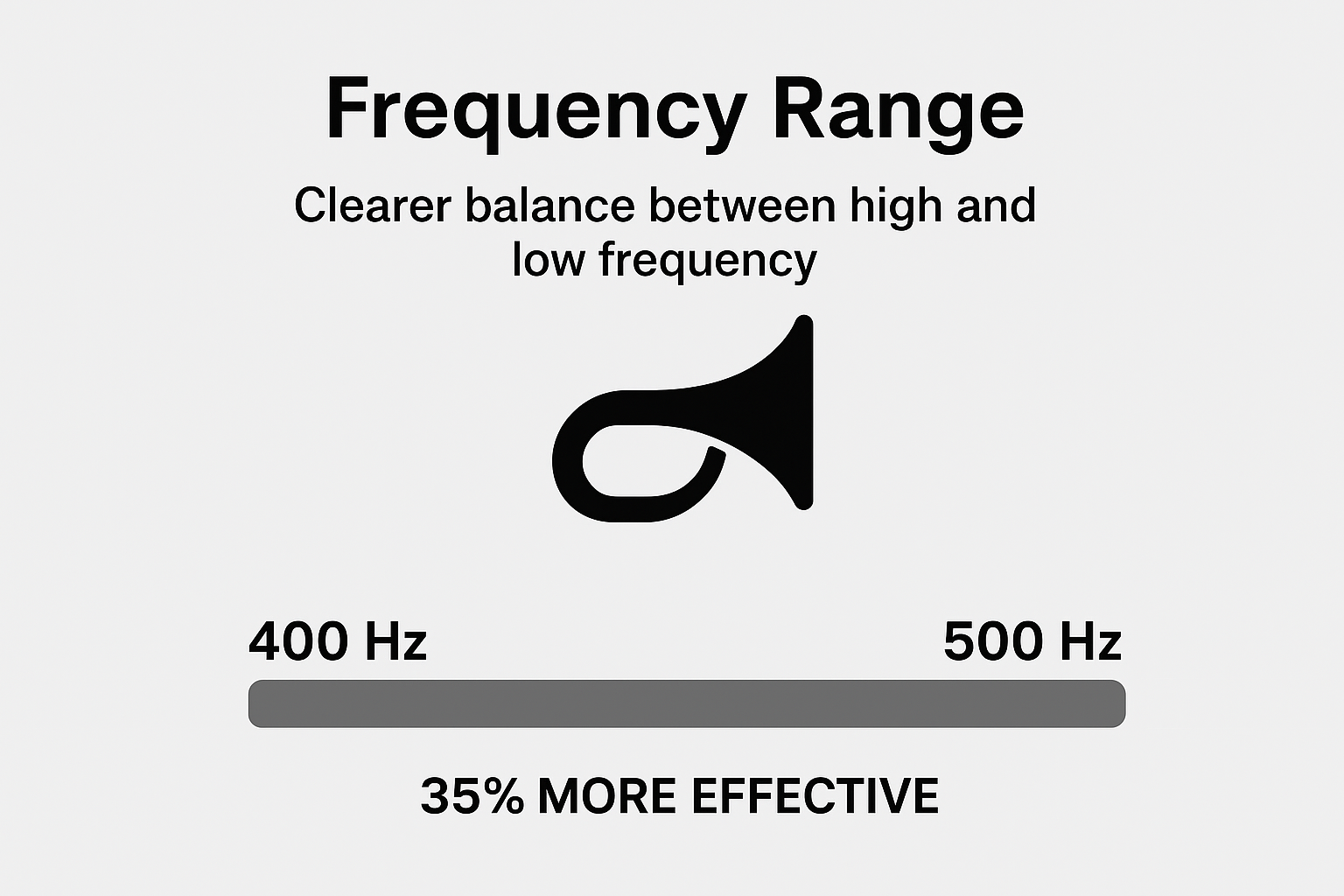
Proper frequency tuning ensures your horn cuts through traffic noise. The ideal car horn produces penetrating mid-range tones that stand out.
Dual-tone horns combining 400Hz and 500Hz frequencies are 35% more effective at getting attention than single-tone horns - this is why most modern cars use dual systems.
Frequency Range Optimization
-
Effective Ranges: Application Recommended Frequencies City driving 420-480Hz Penetrating Highway use 380-420Hz Long-distance Luxury cars 440Hz+500Hz Harmonious Trucks/buses 320-380Hz Authoritative -
Tone Combinations:
- Single tone: Basic warning
- Dual tone: Standard OEM
- Triple tone: Premium systems
- Musical horns: Custom applications
-
Tuning Techniques:
- Adjusting diaphragm tension
- Modifying resonator chambers
- Changing trumpet length (air horns)
- Electronic frequency controllers
-
Common Imbalances: Symptom Cause Weak projection Wrong frequency Retune or replace Harsh sound High-frequency bias Add lower tone Muffled tone Low-frequency bias Add higher tone
Materials Selection – Combining Durability and Sound Quality
Horn materials must withstand years of weather exposure while maintaining sound quality. Premium materials prevent corrosion and sound degradation.
Stainless steel trumpets last 10x longer than plastic in salty conditions, and butyl rubber diaphragms maintain tone consistency 5x longer than standard rubber - proving material choices matter.
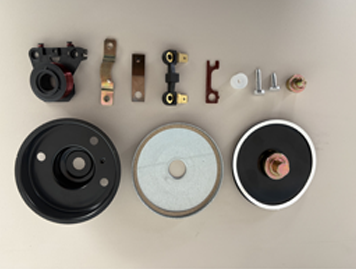
Material Performance Guide
-
Diaphragm Materials: Material Sound Quality Steel Bright, loud Excellent Aluminum Crisp tone Very good Butyl rubber Consistent Good Standard rubber Variable Fair -
Housing Materials:
- Stainless steel: Marine-grade
- Powder-coated steel: OEM standard
- ABS plastic: Budget option
- Aluminum: Lightweight premium
-
Electrical Components: Part Premium Choice Coils Copper wound Aluminum wound Contacts Silver-plated Standard brass Relays 30A sealed 20A basic -
Weather Protection:
- IP55 rating: Standard protection
- IP67 rating: Heavy-duty
- Drainage channels: Prevents water buildup
- Corrosion-resistant coatings
Conclusion
Upgrading these three elements creates a safer, more reliable horn. For professional-grade automotive horns, contact info@jindongauto.com.
Our Specialty: Durable, high-performance horns with 2-year warranty. Visit www.jingdongparts.com for specifications.