
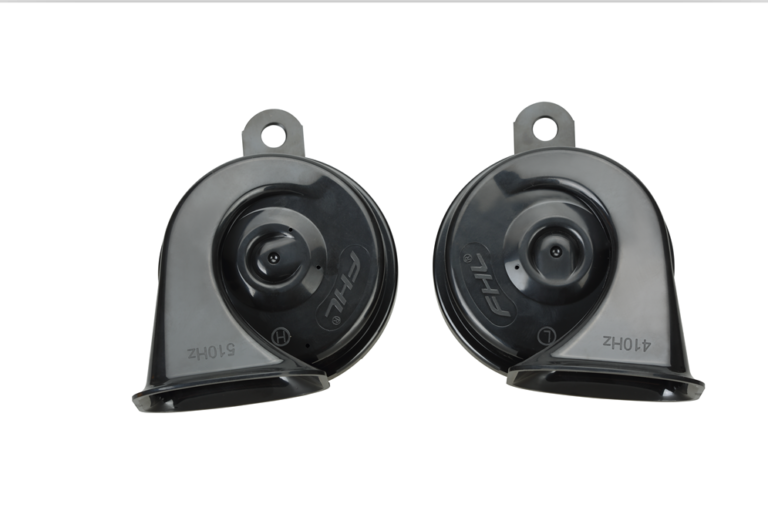
Your car horn is more than just a noise maker - it's a precisely engineered safety device that has protected drivers for over a century. Let's explore how this crucial component evolved and how to choose the best one for your needs.
Modern car horns prevent approximately 28% of potential accidents through instant audible warnings, with advanced models offering 100,000+ activation cycles and weatherproof reliability.
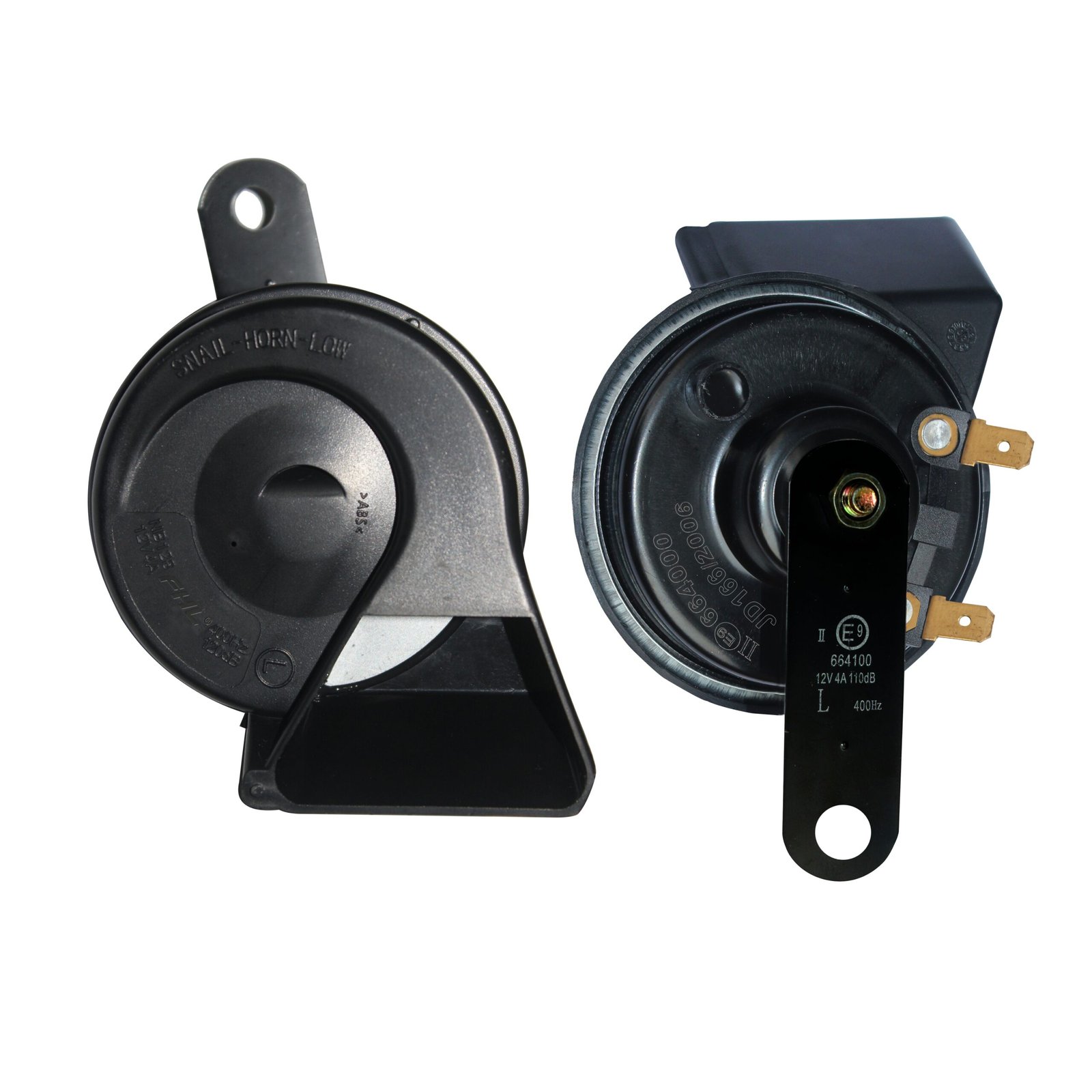
From Copper Bells to Electronic Horns: The Century-Long Evolution of Car Horns
The car horn's journey reflects automotive safety's remarkable progress - from simple mechanical devices to today's sophisticated electronic warning systems.
Key evolutionary milestones:
- 1890s: Hand-operated rubber bulb horns
- 1910s: Electric klaxon horns with winding mechanism
- 1930s: Dual-tone electromagnetic horns
- 1970s: Compact snail-shell designs
- 2000s: Digital sound modules
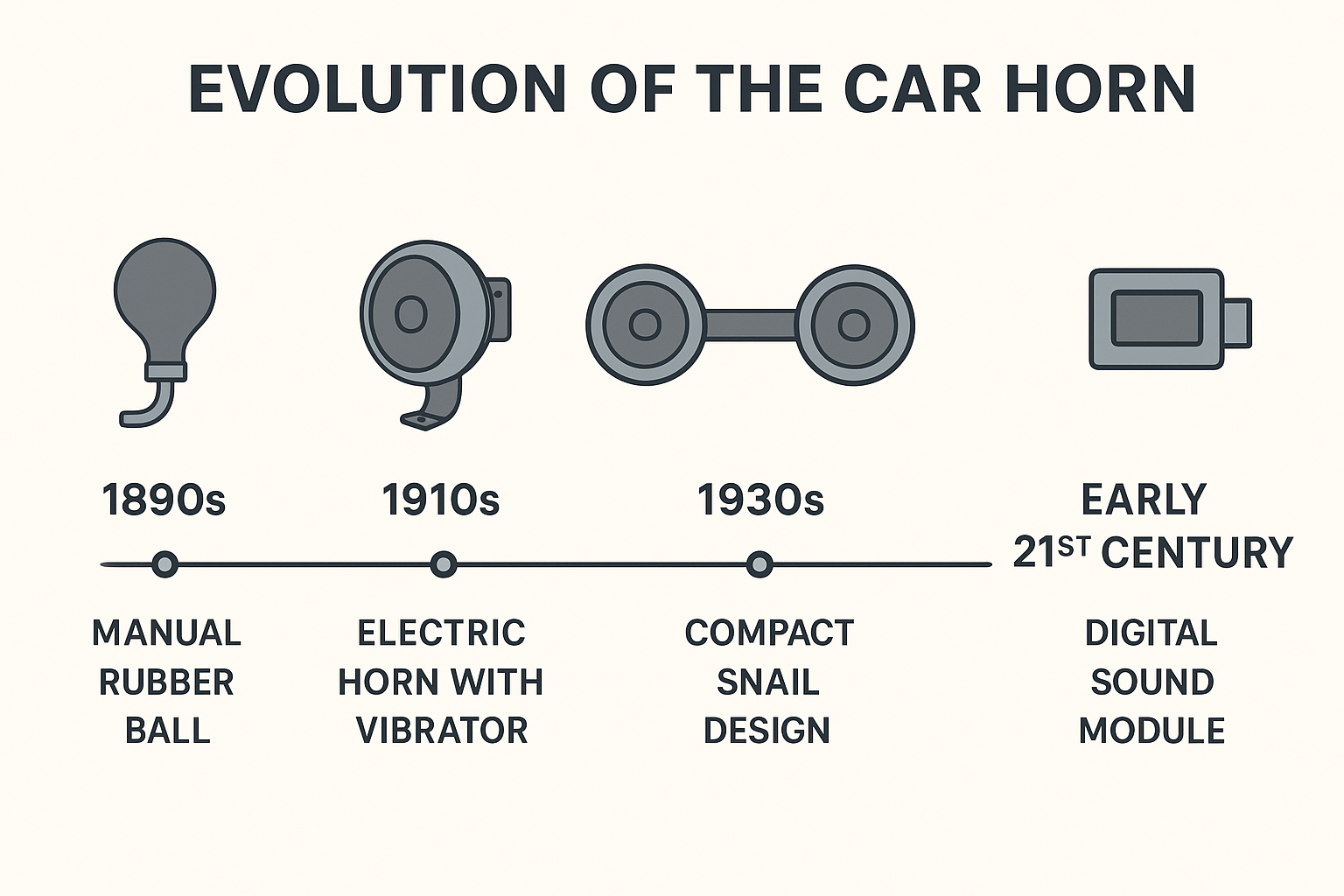
Car Horn Development Timeline
| Decade | Technology | Sound Characteristic | Key Innovation |
|---|---|---|---|
| 1890s | Squeeze bulb | 75-85dB | First warning device |
| 1920s | Electric klaxon | 90-100dB | Reliable operation |
| 1950s | Dual-tone | 100-110dB | Distinctive sound |
| 1980s | Compact snail | 105-115dB | Space efficiency |
| 2020s | Digital | Customizable | Integration with ADAS |
Modern advantages:
- IP67 waterproof rating
- Vibration-resistant mounting
- Energy-efficient operation
- Clearer sound projection
- Longer service life
The Battle Between Electromagnetic and Pneumatic: The "Sound Code" of Car Horns
Understanding different horn technologies helps drivers choose the perfect warning system for their vehicle type and driving conditions.
Technology comparison:
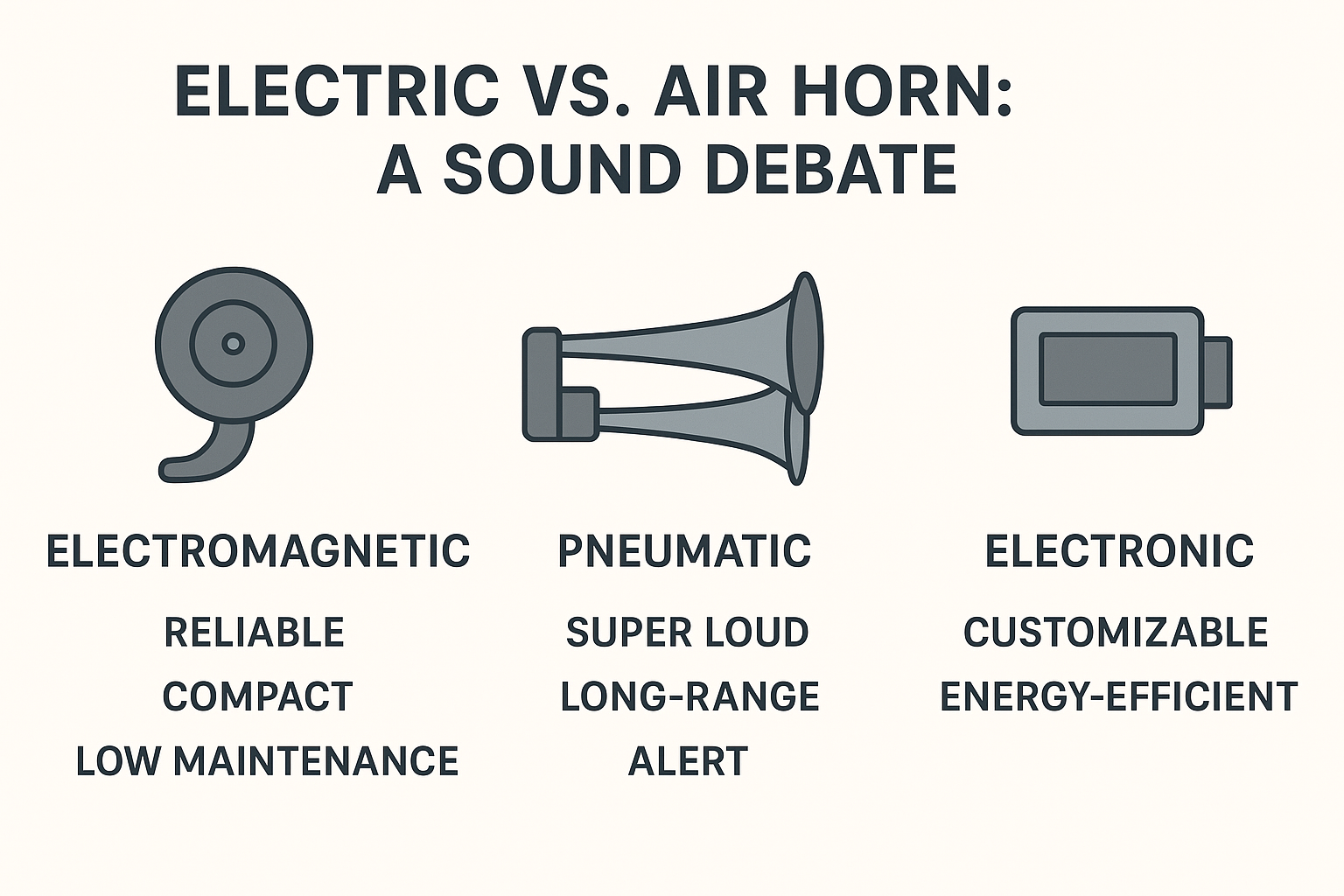
- Electromagnetic: Reliable, compact, low maintenance
- Pneumatic: Extremely loud, long-range warning
- Electronic: Customizable, energy efficient
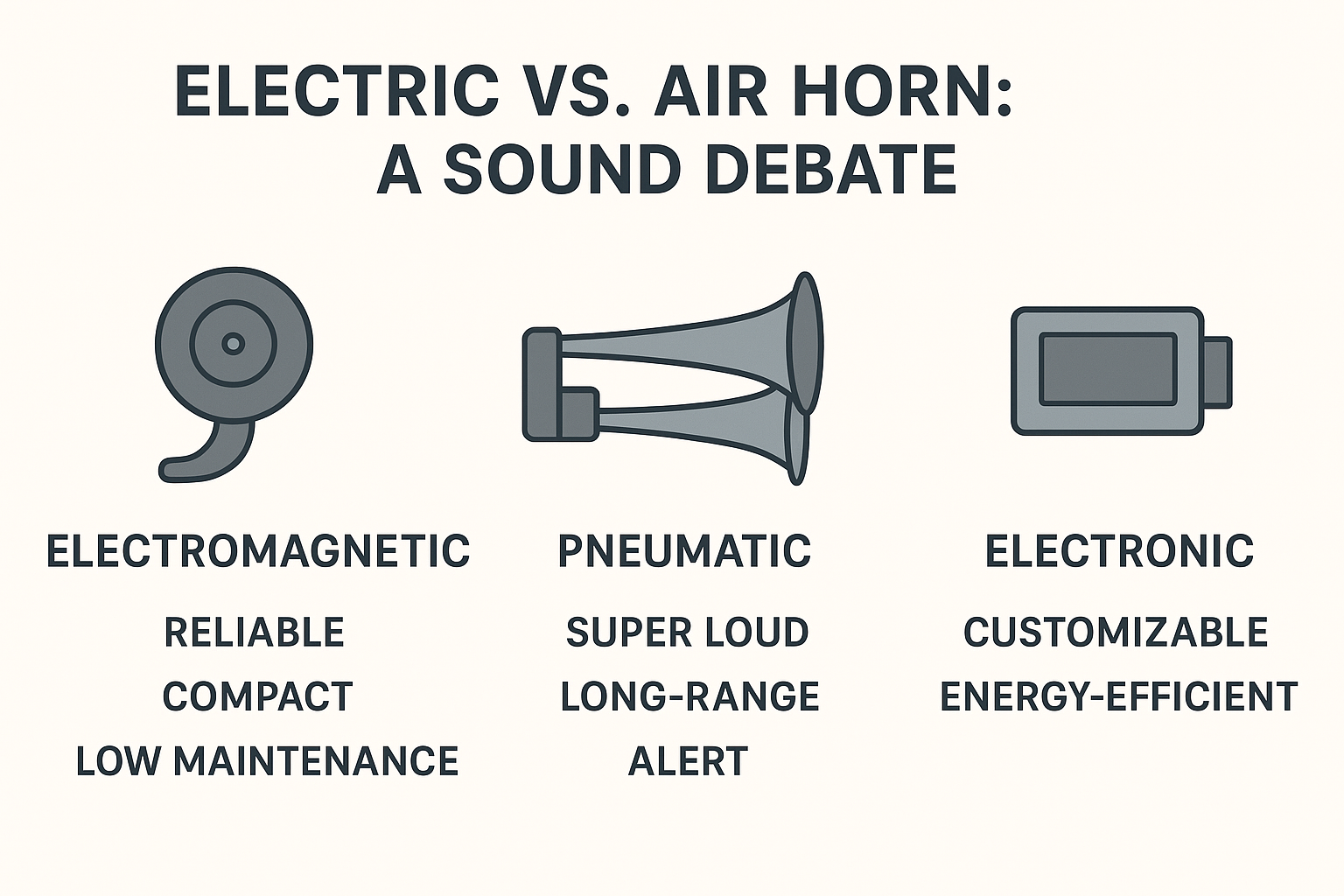
Electromagnetic vs Pneumatic Horns
| Parameter | Electromagnetic | Pneumatic | Best Application |
|---|---|---|---|
| Volume | 107-118dB | 120-150dB | Vehicle Size |
| Response | Instant | Slight delay | Emergency Use |
| Power | 5-6A | 15-30A | Electrical System |
| Lifespan | 50k+ cycles | 20k cycles | Longevity Needs |
| Maintenance | Minimal | Regular | Owner Preference |
Selection considerations:
- Legal volume limits
- Installation space
- Power supply capacity
- Climate conditions
- Frequency of use
Adaptable Scenarios + Quality Control: The "Secrets" to Choosing a Car Horn
Selecting the right horn involves matching technical specifications to your specific driving needs while ensuring premium quality construction.
Critical selection factors:
- Decibel level compliance (local regulations)
- Environmental protection (IP rating)
- Power consumption matching
- Physical dimensions
- Mounting requirements
Horn Selection Matrix
| Driving Scenario | Recommended Type | Key Features | Why It Matters |
|---|---|---|---|
| City commuting | Compact electromagnetic | 110dB, IP65 | Reliable, space-saving |
| Highway driving | Dual-tone electromagnetic | 115dB, IP67 | Clear long-distance warning |
| Commercial vehicles | Pneumatic system | 130dB+, air compressor | Maximum alert distance |
| Luxury vehicles | Electronic module | Custom tones, 105dB | Sophisticated sound profile |
| Extreme climates | Marine-grade | 118dB, IP69K | Weatherproof durability |
Quality indicators:
- Thick gauge copper wiring
- Stainless steel housing
- Multi-layer diaphragm
- Vibration-proof mounts
- Complete certifications
Conclusion
From historical innovations to modern technology battles and smart selection strategies, car horns remain essential safety components that deserve careful consideration and proper maintenance.
TIAN
FHL GBSY JS-TECH Automotive Safety
info@jindongauto.com
www.jingdongparts.com
Precision Engineering · Safety First · Reliable Performance