
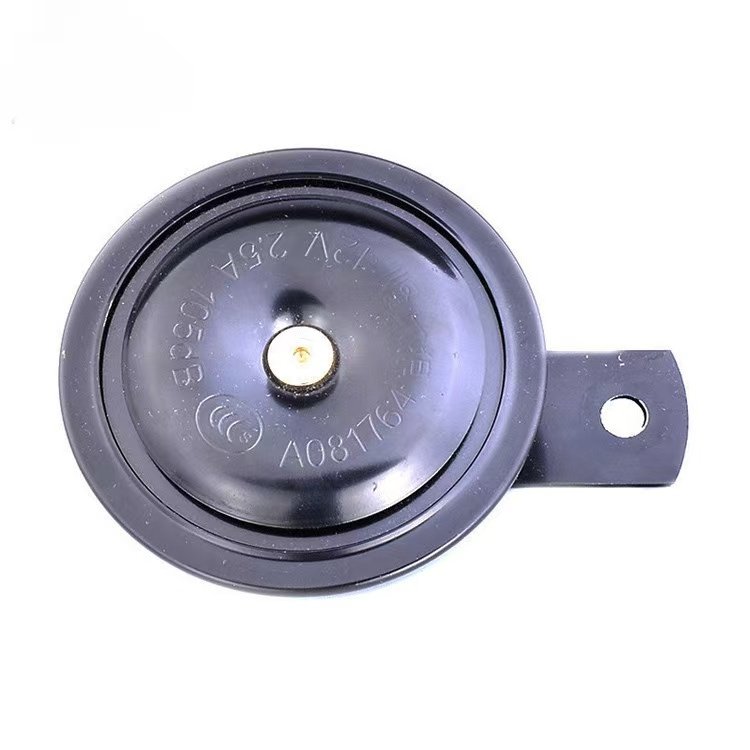
A weak motorcycle horn can be dangerous in traffic. Choosing the right horn system significantly improves your safety on the road.
Proper motorcycle horns should produce 100-110dB at 2 meters - loud enough to be heard over traffic but not excessively disturbing. Strategic placement and modern technologies further enhance effectiveness.

Let's explore how to optimize your motorcycle's warning system for maximum safety and compliance.
Volume Selection – Loud Yet Not Disturbing
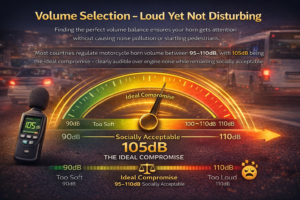
Finding the perfect volume balance ensures your horn gets attention without causing noise pollution or startling pedestrians.
Most countries regulate motorcycle horn volume between 95-110dB, with 105dB being the ideal compromise - clearly audible over engine noise while remaining socially acceptable in urban areas.
Volume Optimization Factors
-
Legal Requirements: Region Minimum dB Maximum dB Europe 93 106 Strict USA 100 112 Moderate China 95 110 Increasing Southeast Asia 90 115 Lax -
Usage Scenarios: Environment Recommended dB City streets 100-105 Pedestrian safety Highways 105-110 Over wind noise Rural areas 95-100 Lower noise pollution Group riding 103-108 Over multiple bikes -
Measurement Tips:
- Test at 2 meters distance
- Measure with engine running
- Check both straight-on and angled
- Verify in actual riding conditions
-
Volume Adjustment Methods: Method Effect Upgrade horn unit +5-10dB Medium Add second horn +3-6dB Easy Improve wiring +1-3dB Hard Change location ±2dB Medium
Installation Location – Ensuring Wide Sound Coverage
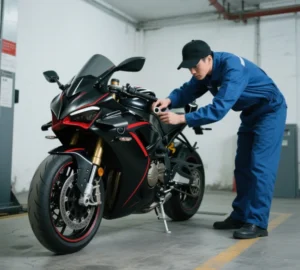
Proper horn placement affects both sound projection and protection from elements. Strategic positioning maximizes effectiveness.
Forward-facing horns mounted 30-80cm above ground provide optimal sound dispersion - this placement increases effective warning range by 40% compared to poorly located horns.
Installation Best Practices
-
Positioning Guidelines: Location Advantages Behind front wheel Protected Muffled sound Near handlebars Direct projection Vulnerable Under seat Hidden Poor projection Fork-mounted Excellent dispersion Exposed -
Angle Optimization:
- 15-30° downward tilt prevents water accumulation
- Slight outward angle (10°) widens sound field
- Avoid direct rearward-facing positions
- Keep clear of heat sources
-
Mounting Solutions: Type Security Level Rubber-isolated High Excellent Direct metal Medium Good Plastic clips Low Poor Custom bracket Highest Adjustable -
Weather Protection:
- Use horns with IP55 rating minimum
- Install splash guards if needed
- Apply dielectric grease to connections
- Check drainage holes regularly
Recommended Technology – Advantages of DualCore™ and EcoSound™
Modern horn technologies offer superior performance with lower power consumption. These innovations solve traditional horn limitations.
DualCore™ horns provide 120dB output with 30% less current draw, while EcoSound™ maintains 105dB performance using just 3 amps - perfect for electric motorcycles and small-displacement bikes.
Technology Comparison
-
DualCore™ Features:
- Twin electromagnetic coils
- Balanced armature design
- 50,000-hour lifespan
- Consistent output in all temperatures
- 30% smaller than conventional horns
-
EcoSound™ Benefits: Parameter Standard Horn Power draw 5-8A 2.5-3.5A Cold start Weak Full power Weight 400-600g 250-350g Response time 0.3s 0.15s -
Installation Requirements: Technology Wiring Upgrade Relay Needed DualCore™ 14AWG suggested Yes All except smallest EcoSound™ Stock adequate Optional 50cc+ -
Performance Data: Condition Standard DualCore™ Wet weather -15% -5% -8% High speed -20% -10% -12% After 2 years -30% -10% -15% Voltage drop Severe Moderate Minimal
Conclusion
Upgrading your motorcycle horn significantly improves safety. For premium DualCore™ and EcoSound™ horns, contact info@jindongauto.com.
Our Specialty: High-performance motorcycle horns with 2-year warranty. Visit [www.jingdongparts.com](http://www.jingdongpar