
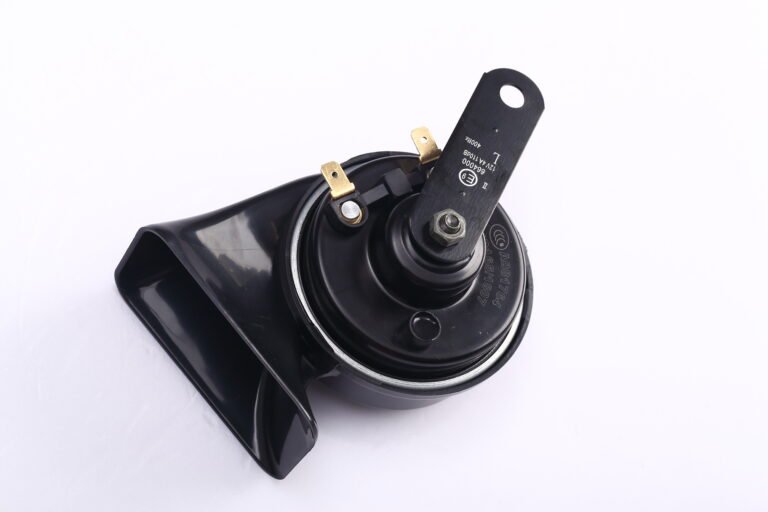
Introduction: In the symphony of sounds that we hear in the automotive world, the horn plays a unique note. From its simple mechanical origins to modern electronic versions, the history of the automotive horn is a story of innovation, necessity, and technology. Come with us on a journey through time to explore the development of automotive electronic horns. We’ll look at their origins, breakthrough moments, and transformative events.
Early Beginnings: The history of auto horns dates back to the early days of the automobile. In the late 19th century, as horse-drawn carriages gave way to motor vehicles, people realized the need for a sound signal to warn pedestrians and other road users. The earliest horns were simple mechanical devices that looked like a bicycle bell or brass trumpet. They were manually operated using a lever or button.
Mechanical Advancements: As auto technology advanced, so did horn design and functionality. In the early 20th century, mechanical horns began to incorporate compressed air systems, which made them louder and more reliable. These pneumatic horns, commonly known as “bulb horns” or “klaxons,” became standard equipment on many vehicles. They made a unique, recognizable sound that echoed through the streets of cities and the country roads.
The Rise of Electronic Horns: In the mid-20th century, the advent of electronic technology revolutionized auto horn design. Electronic horns, powered by electricity instead of compressed air, offered several advantages over mechanical horns. They were smaller, lighter, and more versatile, allowing for greater customization of sound and tone. In addition, electronic horns were easier to install and maintain. As a result, electronic horns became increasingly popular with automakers and the general public.
Technological Innovations: From the second half of the 20th century to the beginning of the 21st century, automotive electronic horns have undergone significant technological innovations. The application of integrated circuits, microprocessors, and digital sound processing technology has revolutionized horn design. It enables precise control over the sound quality, frequency, and volume of the horn. These advances have made it possible to develop multi-tone horns, musical horns, and customizable horn systems for specific vehicle models and driver preferences.
Regulatory Compliance: As automotive electronic horns became more advanced, the regulations governing their use and design also evolved. Governments around the world began to establish standards for horn volumes, frequencies, and durations to ensure safety and reduce noise pollution. Auto horn manufacturers needed to ensure that their horns complied with these regulations, which drove further advancements in horn technology and sound engineering.
Modern Trends and Future Prospects: In today’s automotive industry, electronic horns continue to evolve to meet changing consumer preferences, technological innovations, and regulatory requirements. Manufacturers are exploring new materials, such as lightweight composites and advanced plastics, to improve the durability and performance of the horn while reducing environmental impact. In addition, advances in electric and hybrid vehicle technology have led to the development of silent or synthesized horn solutions to address concerns about noise pollution in urban environments.
Conclusion: The history of automotive electronic horns is a testament to human intelligence, adaptability, and creativity. From the simple mechanical horns of the past to the complex electronic systems of today, the development of auto horn technology reflects the ever-changing dynamics of transportation, safety, and urban life. Looking to the future, the journey of the auto horn continues, promising new developments, challenges, and opportunities on the road ahead.