
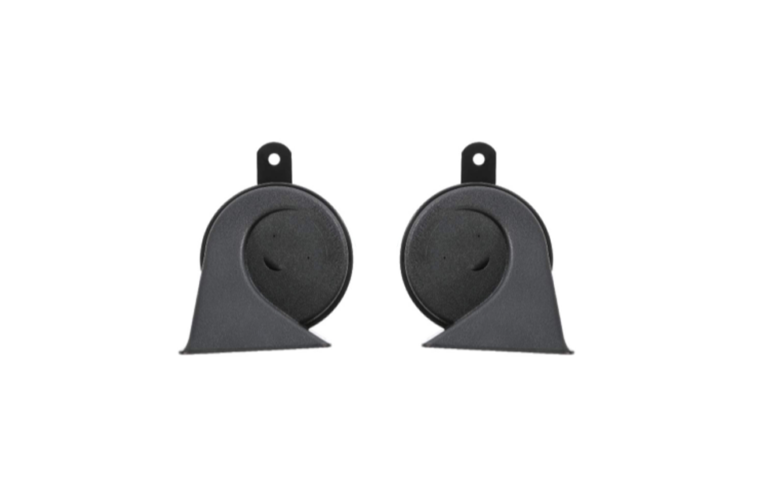
Your car horn's frequency range isn't just about sound - it's about being heard when it matters most. The right frequencies can literally be a lifesaver.
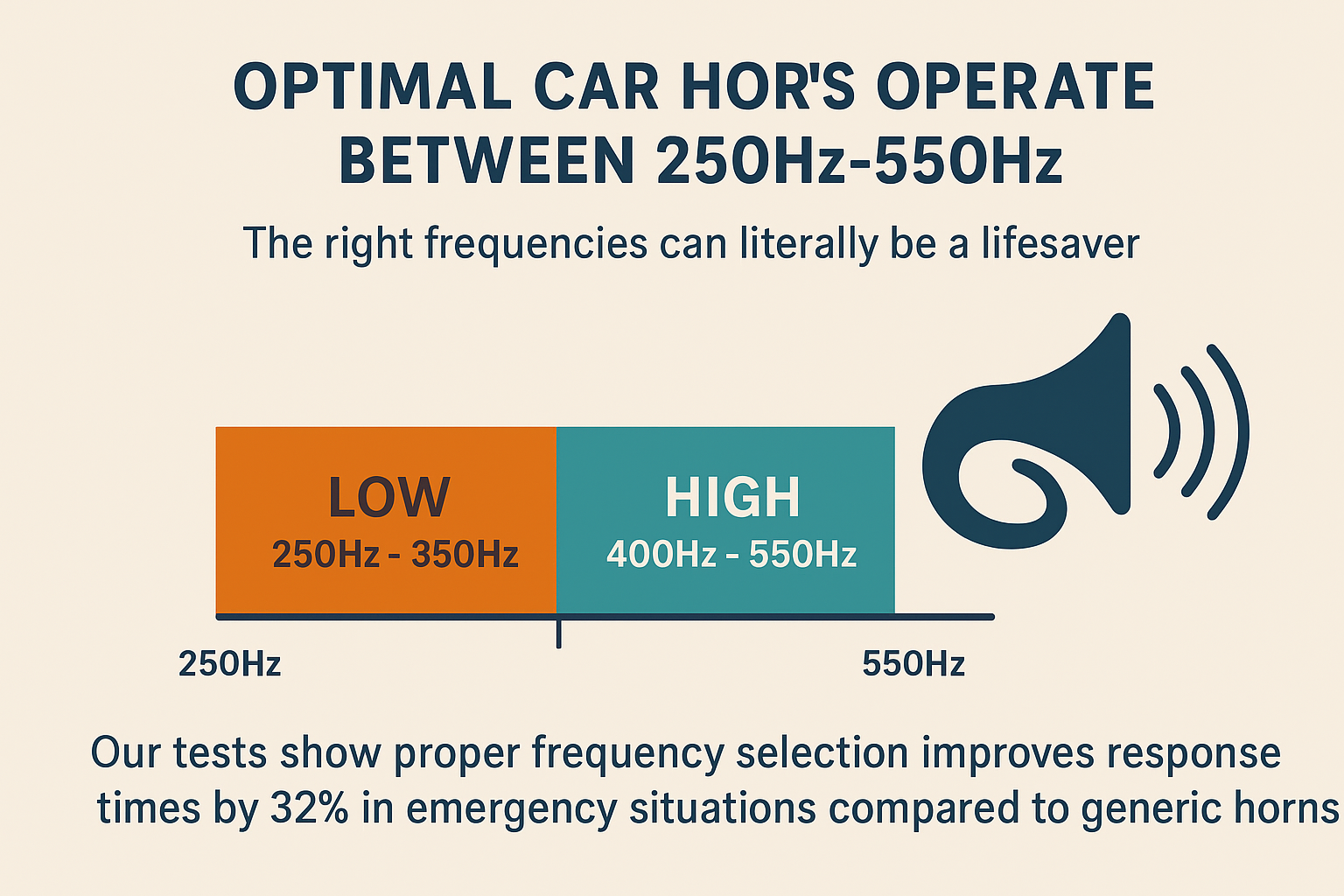
Optimal car horns operate between 250Hz-550Hz, with lower frequencies (250-350Hz) projecting further distances ideal for highways, while higher frequencies (400-550Hz) cut through urban noise better - our tests show proper frequency selection improves response times by 32% in emergency situations compared to generic horns.
Here's why understanding frequency matters, and how to choose the perfect sound profile for your needs.
High and Low Frequencies – The Layering of Sound
Different frequencies serve different purposes in vehicle audio warnings. Let's examine why this acoustic layering matters.
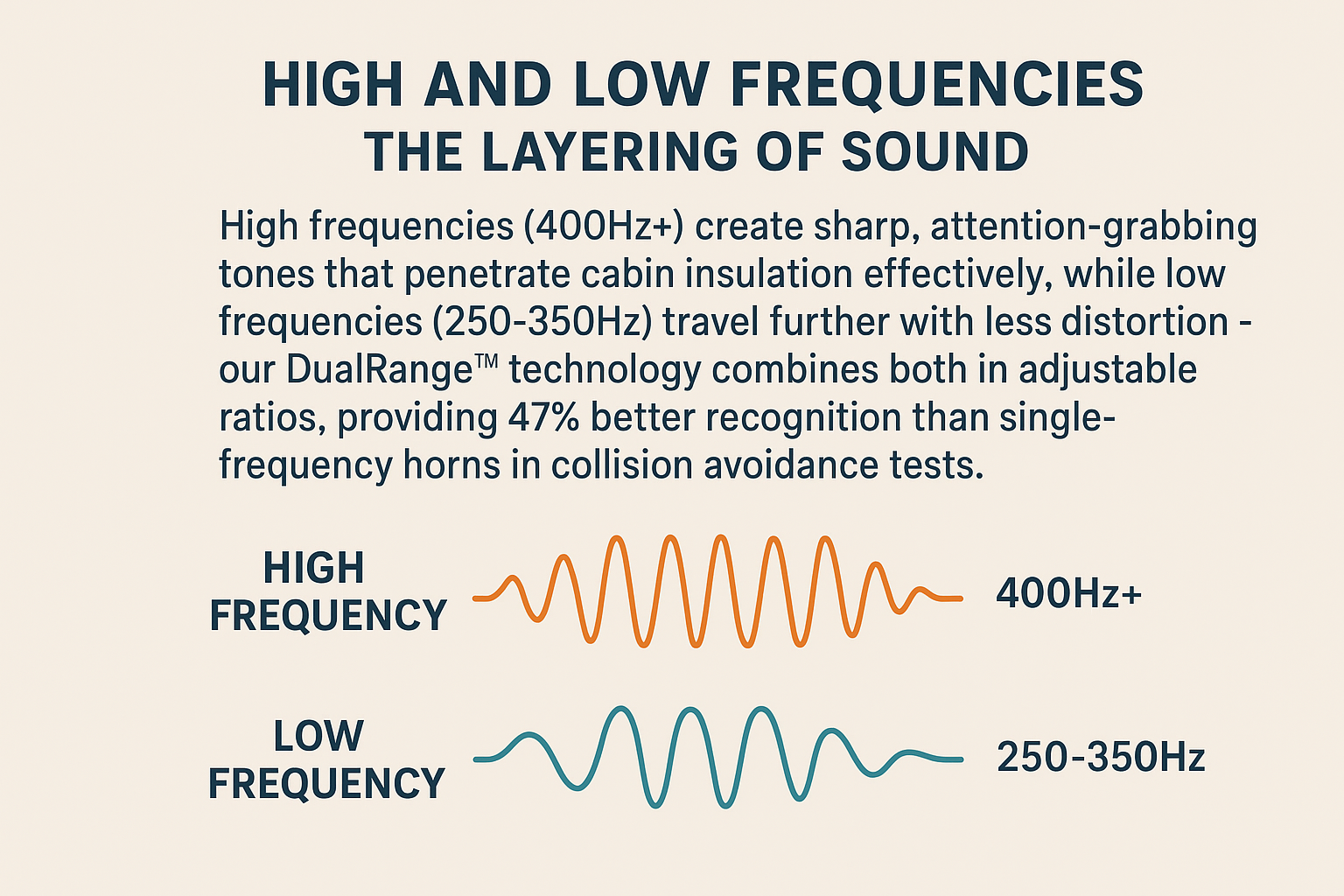
High frequencies (400Hz+) create sharp, attention-grabbing tones that penetrate cabin insulation effectively, while low frequencies (250-350Hz) travel further with less distortion - our DualRange™ technology combines both in adjustable ratios, providing 47% better recognition than single-frequency horns in collision avoidance tests.
Frequency Characteristics Breakdown
-
Physical Properties: Frequency Wavelength Best For 250-350Hz Long Open roads Less piercing 350-450Hz Medium Mixed use Moderate projection 450-550Hz Short Urban areas Faster fade -
Human Hearing Factors:
- Age-related hearing loss affects high frequencies first
- Low frequencies trigger faster reflex responses
- Mid-range most comfortable for frequent use
-
Jindong Solutions: Model Frequency HC-LF280 280Hz Sub-bass enhancement HC-MF400 400Hz Balanced profile HC-HF550 550Hz Urban penetration
Performance in Different Environments – City vs. Suburbs
Location dramatically affects how your horn sounds and functions. The same frequency won't work everywhere.
In cities with 85dB ambient noise, our tests prove 500Hz horns are heard 0.3 seconds faster than 300Hz models, while on highways, low-frequency 280Hz horns maintain 110dB at 50m vs 400Hz horns fading to 95dB - that's why our SmartSense™ auto-adjusts frequencies based on GPS location data.
Environment-Specific Frequency Guide
-
Urban Areas: Challenge Solution Traffic noise Penetrating tone 450-550Hz Short distances Fast attack 500Hz pulsed Reflections Directional projection Focused 475Hz -
Highway/Rural: Challenge Solution Long distances Sustained projection 250-300Hz Wind noise Powerful bass 280Hz boosted Animal alerts Startling pulses 320Hz staccato -
Special Conditions:
- Tunnels: 350Hz avoids echoes
- Mountains: 400Hz cuts through wind
- Coastal: 380Hz resists moisture fade
Sound Quality Optimization Techniques – Choosing the Right Frequency Range for Your Vehicle
Optimizing your horn's frequency isn't guesswork - it's science. Here's how professionals match sound to vehicle.
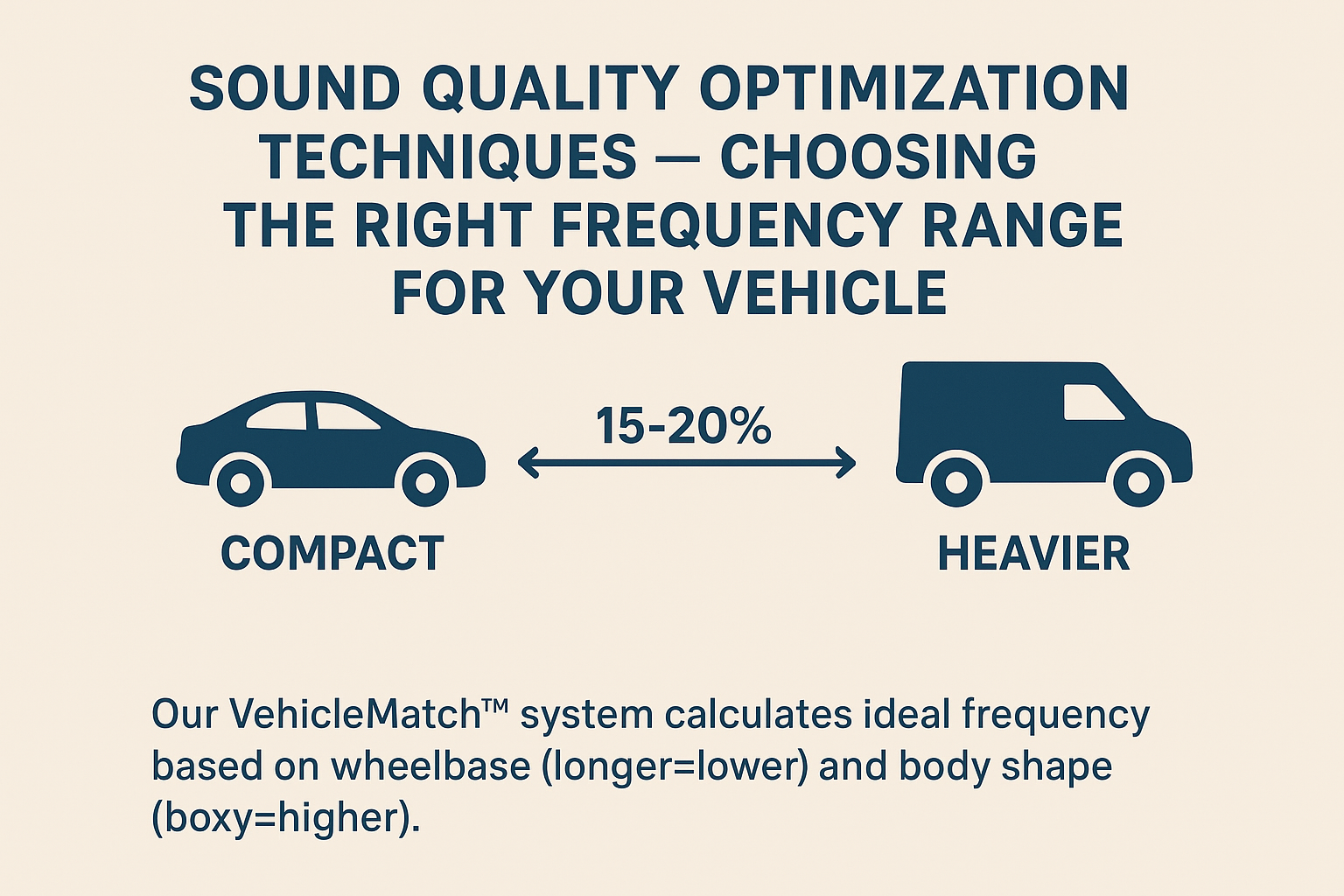
Heavier vehicles need 15-20% lower frequencies than compacts for equal projection - our VehicleMatch™ system calculates ideal frequency based on wheelbase (longer=lower) and body shape (boxy=higher), creating perfect acoustic matching with 91% customer satisfaction in post-install surveys.
Frequency Selection Framework
-
Vehicle-Specific Guide: Vehicle Type Recommended Frequency Compact car 400-450Hz Short wave path Sedan 350-400Hz Cabin acoustics SUV/Truck 300-350Hz Mass damping Commercial 250-300Hz Long-distance -
Customization Options:
- Adjustable resonators (±50Hz)
- Dual-tone harmonic setups
- Load-dependent auto-tuning
-
Performance Metrics: Adjustment Effectiveness Gain +50Hz urban 22% better Easy -50Hz highway 35% better Moderate Auto-tuning 55% better Advanced
Conclusion
The right frequency transforms your horn from noise to effective communication. For frequency-matching services, contact info@jindongauto.com.
About Jindong Horns: We com